
Cellular Shades Cleaning in Billings, MT
Cellular shades cleaning services involve the careful removal of dust, dirt, and stains from honeycomb-style window coverings, helping to restore their appearance and maintain their functionality. These services typically cover a range of projects, including routine cleaning of residential window treatments, stain removal, and deep cleaning for heavily soiled shades. Homeowners often seek these services to improve indoor air quality, enhance the look of their windows, and extend the lifespan of their cellular shades.
Before requesting cellular shades cleaning, property owners usually want to understand the specific cleaning methods used to ensure the safety of their window coverings. It is also helpful to know whether the service can accommodate different fabric types and shade styles, as well as any recommended maintenance practices following cleaning. Clarifying these details can help ensure the process aligns with the homeowner’s expectations and the particular needs of their window treatments.
Many property owners in Billings, MT look into Cellular Shades Cleaning for repairs, replacements, upgrades, and appearance-related improvements.
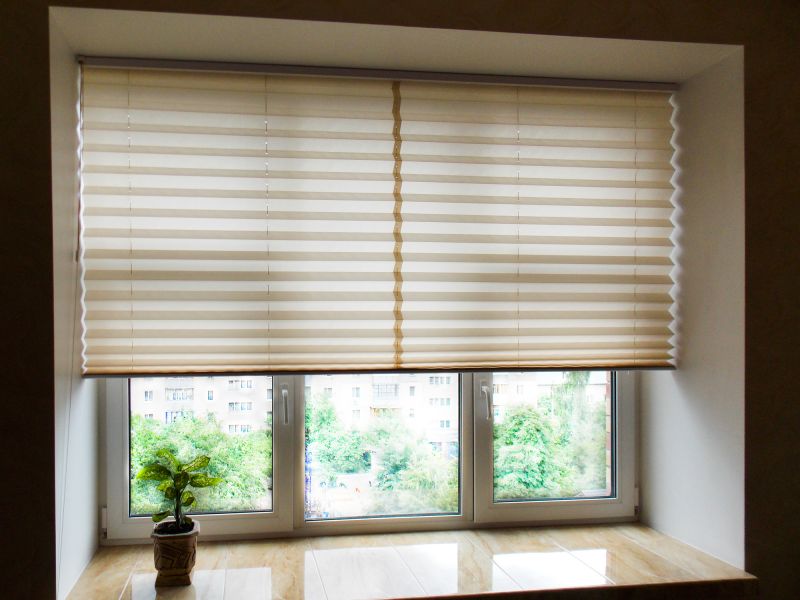
Benefits Of Cellular Shades Cleaning
Regular cleaning helps maintain the appearance and functionality of cellular shades in homes and offices.
Common Cleaning Challenges
Dust, pollen, and stains can accumulate on cellular shades, affecting air quality and aesthetics.
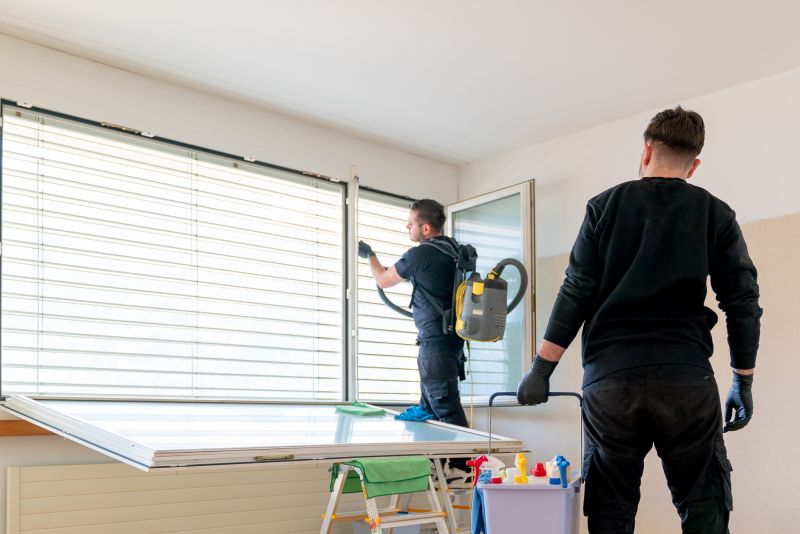
Maintenance Tips For Longevity
Proper cleaning extends the lifespan of cellular shades and keeps them looking their best in billings, mt.
Cellular Shades Cleaning in Billings, MT

Cellular shades cleaning services involve the careful removal of dust, dirt, and stains from honeycomb-style window coverings, helping to restore their appearance and maintain their functionality. These services typically cover a range of projects, including routine cleaning of residential window treatments, stain removal, and deep cleaning for heavily soiled shades. Homeowners often seek these services to improve indoor air quality, enhance the look of their windows, and extend the lifespan of their cellular shades.
Before requesting cellular shades cleaning, property owners usually want to understand the specific cleaning methods used to ensure the safety of their window coverings. It is also helpful to know whether the service can accommodate different fabric types and shade styles, as well as any recommended maintenance practices following cleaning. Clarifying these details can help ensure the process aligns with the homeowner’s expectations and the particular needs of their window treatments.
Many property owners in Billings, MT look into Cellular Shades Cleaning for repairs, replacements, upgrades, and appearance-related improvements.
Common Cellular Shades Cleaning Jobs
Cellular Shades Cleaning - Removal of dust, dirt, and stains to restore fabric appearance.
Deep Cleaning - Eliminates embedded allergens and improves indoor air quality.
Stain Removal - Safely treats spots and discoloration without damaging the fabric.
Maintenance Cleaning - Regular services to keep shades looking fresh and prolong lifespan.
Spot Treatments - Focused cleaning for specific areas affected by spills or stains.
Odor Elimination - Removes odors trapped in fabric for a fresher indoor environment.
Cellular Shades Cleaning Questions
What are cellular shades cleaning services? Cellular shades cleaning involves removing dust, dirt, and stains to restore their appearance and functionality.
How often should cellular shades be cleaned? Regular cleaning is recommended every 6 to 12 months to maintain their condition and appearance.
Are professional cleaning methods safe for cellular shades? Yes, professional cleaning uses techniques that protect the fabric and structure of cellular shades.
What types of stains can be removed from cellular shades? Common stains like dust, pet hair, and light spots can typically be effectively cleaned by professionals.
Request Cellular Shades Cleaning in Billings, MT
Use the quote form on this page to share the basics of your project and request more information for the type of work you need.